
Residential intercom system in Queens
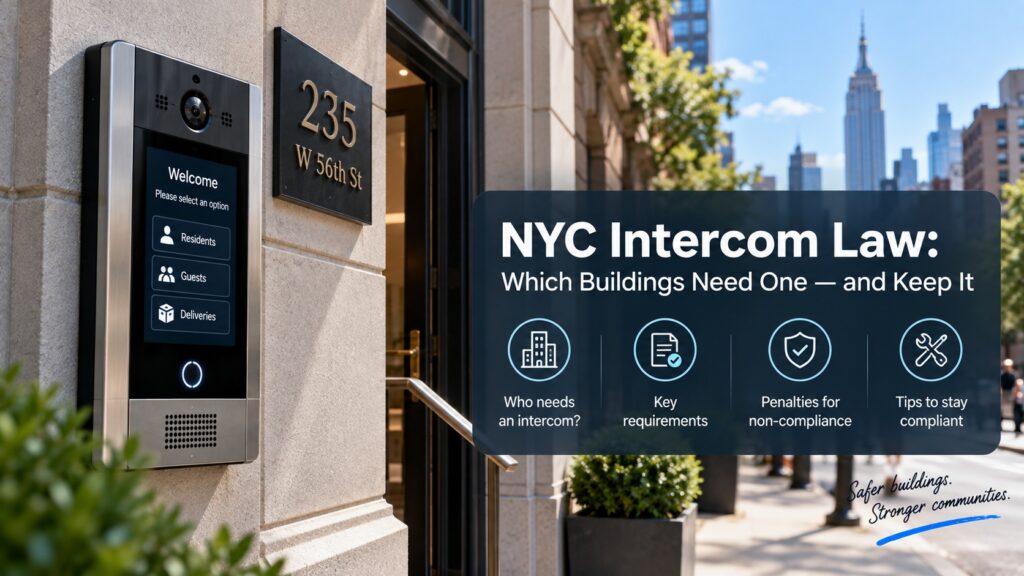
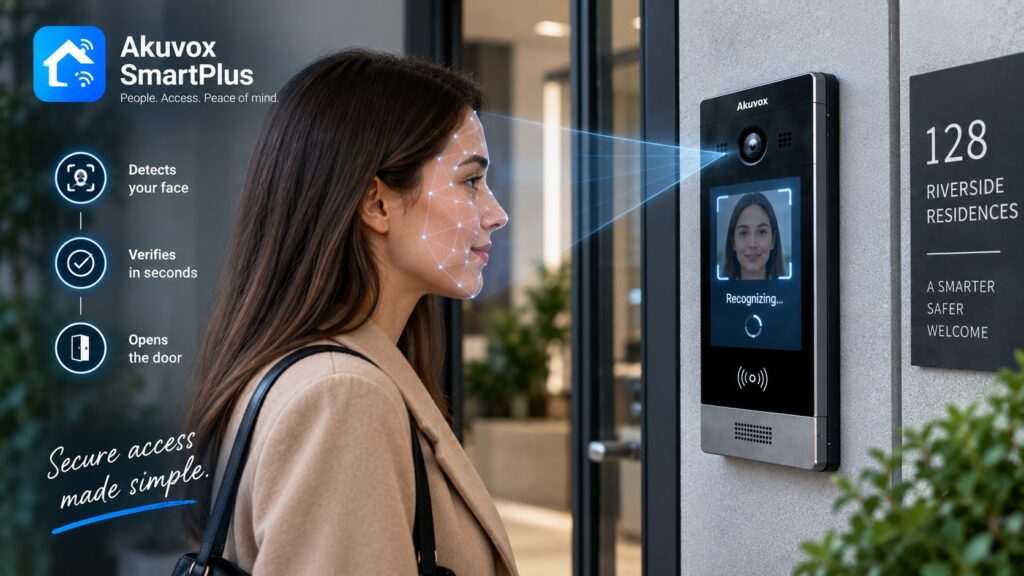
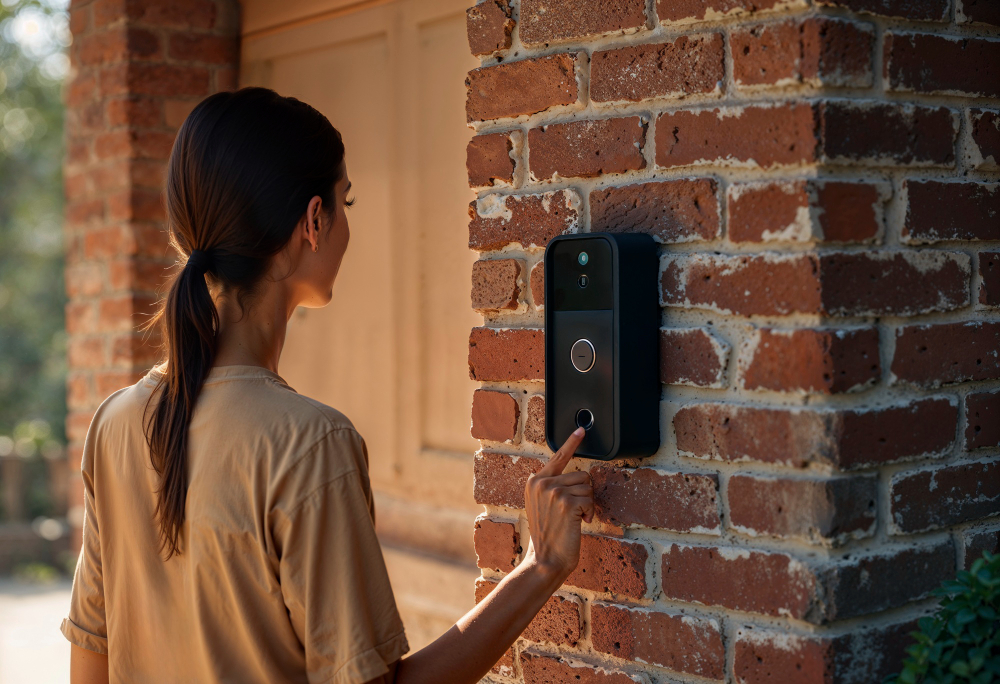
A residential intercom system in Queens can make it easier to manage visitors without compromising the convenience of everyday entry. Instead of approaching the entrance every time someone arrives, residents can communicate with the person outside, see them when video is available, and decide whether to provide access.

Customized Security Solutions
We design tailored intercom and access control systems based on your property's unique requirements, ensuring the right fit for every project.

Professional Installation
Our experienced technicians handle every stage of the installation process, delivering reliable performance and attention to detail.

Advanced Technology
We provide modern, feature-rich solutions with cloud management, mobile access, and seamless integration capabilities.

Ongoing Support & Maintenance
From system setup to long-term service, our team is committed to keeping your security solutions operating efficiently.
Akuvox NYC provides residential intercom solutions for properties in Queens, including single-family homes, townhouses, condominiums, and multi-unit residential buildings. The configuration can include entrance stations, indoor monitors, mobile communication, door release equipment, and compatible access control.
The system should be selected according to the property’s layout and the way residents use its entrances.
Residential Intercom Solutions for Queens Homes
A residential intercom can serve as the communication point between residents and people requesting access to a property.
The system can be relatively simple for a home with one entrance or more comprehensive for a property with several doors, a driveway gate, and pedestrian access. The equipment should be selected according to the property’s layout rather than based only on the features of an individual device.
A typical solution can include an entrance station, one or more indoor monitors, compatible locking equipment, and optional mobile functionality. Larger residential properties can also incorporate access control and multiple communication points.
The goal is to create a practical process for answering visitors and managing entry while keeping everyday use straightforward for residents.
What Can a Residential Intercom Do?
Modern residential intercoms can perform several functions beyond basic voice communication.
- Identify Visitors. With video-capable equipment, residents can see who is waiting at the entrance before deciding how to respond.
- Communicate Before Entry. Two-way audio allows residents to ask who the visitor is and why they are requesting access.
- Release the Door. Compatible systems can provide a door release function after the resident decides to allow entry.
- Answer from Inside. Indoor monitors allow residents to receive and answer calls without walking directly to the entrance.
- Use a Smartphone. Compatible Akuvox solutions can provide mobile communication for supported scenarios.
- Manage Different Entrances. A properly planned system can incorporate several doors, gates, or other controlled access points.
The exact functions depend on the selected equipment and how the system is configured.
Residential Intercom for Different Types of Homes
Residential properties can have very different entry arrangements, so the intercom should be designed around the type of home.
Single-Family Homes
A private house may need an entrance station at the front door, driveway gate, or pedestrian gate. The system can connect these locations with an indoor monitor or supported mobile device.
Townhouses
Townhouses can have front entrances that are close to the living space as well as parking or shared access areas. The appropriate configuration depends on whether the entrance is private or part of a shared property.
Condominiums
A condominium may require communication between a shared building entrance and individual units. Residents may need indoor monitors or mobile communication for handling visitors.
Apartment Units
Individual apartments can use intercom endpoints connected to a common entrance panel. The number of residents and apartments influences the design of the system.
Multi-Unit Residential Properties
Larger residential buildings may require multiple entrances, access control, indoor stations, and different user permissions. Scalability becomes particularly important in these installations.
Choosing the Right Entrance for an Intercom
The best location depends on how visitors normally approach the property.
- Front Door. The main residential entrance can have a video or audio station that allows residents to communicate with guests before opening the door.
- Driveway Gate. A gate station can be used to communicate with drivers and, when compatible with the gate operator, provide controlled vehicle access.
- Pedestrian Gate. A separate entrance panel can be useful when visitors normally approach the property on foot through a secured gate.
- Garage. Depending on the layout and access requirements, a garage entrance can be incorporated into the overall residential entry system.
- Side Entrance. Frequently used secondary entrances can be included when they require visitor communication or controlled access.
- Building Lobby. Multi-unit properties can use a lobby entrance station to route visitor calls to individual apartments or designated users.
For properties with several entrances, it is important to determine which locations require communication, video, access control, or door release before selecting equipment.
Video Intercom for Residential Properties
Video provides residents with more information than audio alone. When a visitor calls from the entrance, the resident can view the person through a compatible monitor or mobile device.
This can be useful when:
- A visitor is not expected.
- A delivery arrives.
- A contractor comes to the property.
- A family member requests entry.
- Someone arrives at a gate or secondary entrance.
Video also helps residents distinguish between different types of visitors before deciding whether to release the entrance.
The camera location, viewing angle, lighting, and environmental conditions should be considered during installation. An outdoor entrance may require different equipment from an indoor lobby.
Indoor Stations for Residents
An indoor station provides residents with a dedicated way to answer entrance calls.
Depending on the model, the device can provide video and two-way audio while also allowing supported door release functions.
Important considerations include:
- Screen size.
- Ease of use.
- Audio quality.
- Video resolution.
- Door release controls.
- Number of indoor stations.
- Compatibility with the entrance device.
- Available communication functions.
A larger home may benefit from having monitors in convenient locations rather than relying on a single device. In a multi-unit property, each apartment may require its own compatible endpoint.
Mobile Intercom for Residents
Mobile communication can extend the residential intercom beyond the physical indoor monitor.
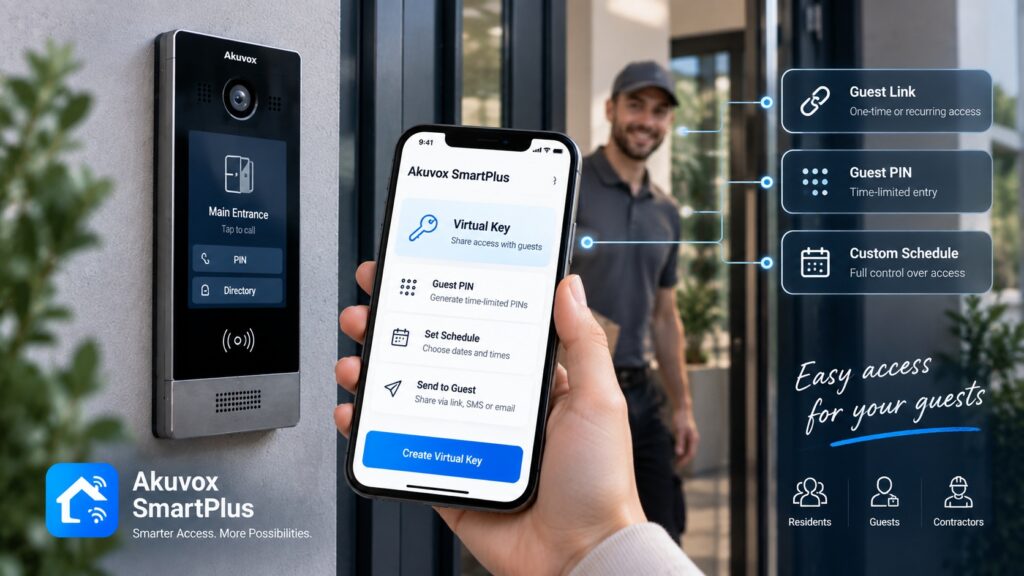
Compatible Akuvox systems can allow residents to receive supported intercom calls through a smartphone. This can be useful when someone is not near the indoor station.
For example, a resident may be:
- In the backyard.
- On another floor.
- At work.
- Away from home.
- Expecting a delivery.
The resident can communicate with the visitor and, where supported, use remote access functions.
Mobile functionality depends on the selected equipment, software, network connectivity, and available services, so it should be considered during the initial system design.
Residential Intercom and Door Access Control
An intercom and access control system perform related but different tasks.
Intercom: Provides communication with visitors.
Access control: Determines how authorized users enter.
Door controller: Operates the compatible locking hardware.
This arrangement allows different groups to use different entry methods.
- Residents. Regular users can enter with assigned credentials such as cards, fobs, PINs, or supported mobile credentials.
- Visitors. Visitors can contact the resident through the intercom before access is granted.
- Service Personnel. Contractors and maintenance workers can receive access according to the property’s procedures.
- Property Staff. Authorized personnel can have access appropriate to their responsibilities.
Combining the technologies can make a residential property’s entry process easier to manage without requiring the intercom to handle every type of access.
Intercom for Gates and Driveway Access
A residential gate creates a different visitor scenario from a front door. A person may be waiting outside the property while the homeowner is inside the house, potentially some distance away.
A gate intercom can establish communication between these two points.
A typical process is:
Visitor arrives → initiates a call → resident communicates with the visitor → visitor is identified → gate is released if access is approved.
The intercom can be connected to compatible gate automation equipment where supported.
Before installation, the existing gate operator, controller, wiring, power supply, and release mechanism should be evaluated. This helps determine how the intercom should communicate with the gate system.
A property with both pedestrian and vehicle entrances may require separate equipment at each location.
Residential Intercom for Deliveries and Service Visits
Delivery drivers and service providers are frequent visitors at residential properties. An intercom provides a way to establish communication before giving someone access.
For example, a homeowner can receive a call from a delivery driver, confirm the purpose of the visit, and decide whether the person should enter the property.
The same approach can be used for:
- Package deliveries.
- Food deliveries.
- Plumbers.
- Electricians.
- HVAC technicians.
- Landscapers.
- Cleaning services.
- Contractors.
For recurring service appointments, homeowners can establish their own access procedures while keeping entrances controlled when no visitor is expected.
Wired, IP and 2-Wire Residential Intercom Options
The communication technology should be selected according to the property and its existing infrastructure.
Wired Systems
Traditional wired configurations can be practical when suitable cabling already exists or when wiring can be installed during construction or renovation.
IP Systems
IP-based equipment can be useful when the property has appropriate network infrastructure. It can provide flexible communication between network-connected entrance stations, indoor devices, and compatible systems.
2-Wire Systems
2-wire solutions can be worth considering when modernizing a property with existing intercom wiring and replacing all cables would be difficult.
The best option is not determined by the technology name alone. The installation conditions, distance between devices, existing wiring, network availability, and desired functions should all be evaluated.
Modernizing an Existing Residential Intercom
Older systems may continue to provide basic communication while lacking functions that residents now expect from a modern entry system.
Common reasons for an upgrade include:
- Poor audio quality.
- No video.
- Outdated handsets.
- Limited door release functionality.
- No mobile communication.
- Difficult maintenance.
- Incompatibility with newer access control equipment.
Modernization can involve replacing the entrance station, installing new indoor monitors, adding video, introducing mobile communication, or integrating compatible access control.
In some cases, existing wiring can be reused. In others, a complete infrastructure upgrade may be more practical. A site assessment helps determine the appropriate approach.
How to Choose a Residential Intercom System
Several factors should be reviewed before purchasing equipment.
- Property Type. A single-family home, townhouse, condominium, and multi-unit building can have very different communication and access requirements.
- Number of Entrances. The number of front doors, gates, garages, and secondary entrances determines how many communication points may be needed.
- Number of Residents. Larger households and multi-unit properties may require multiple indoor stations or individual user endpoints.
- Video Requirements. If residents want to visually identify visitors, the entrance station and receiving device should support video.
- Mobile Access. Homeowners who want to answer calls away from an indoor monitor should consider compatible mobile functionality.
- Door and Gate Hardware. Existing locks, strikes, magnetic locks, and gate operators should be checked for compatibility.
- Existing Wiring. Existing cabling can affect whether a wired, IP, 2-wire, or modernization approach is appropriate.
- Future Expansion. If additional entrances, access control devices, or communication endpoints may be added later, the system should allow for potential expansion.
Residential Intercom Installation in Queens
Akuvox NYC provides professional residential intercom installation in Queens, from initial property assessment through system configuration.
The project can include:
- Reviewing entrances and access points.
- Assessing existing wiring and network infrastructure.
- Checking door and gate hardware.
- Determining resident requirements.
- Selecting compatible Akuvox equipment.
- Planning the system configuration.
- Installing entrance stations.
- Installing indoor monitors.
- Connecting compatible door or gate release equipment.
- Configuring supported mobile functions.
- Testing communication and access.
- Providing guidance for residents.
- Supporting the installed system.
For properties with several access points, installation should be coordinated so that the different components operate as a unified system.
Why Choose Akuvox for Residential Intercom?
Akuvox offers a range of devices that can be combined for residential applications.
Depending on the property, a system can include:
- Video doorphones.
- Indoor monitors.
- Touchscreen devices.
- IP/SIP communication.
- Mobile communication.
- Access control equipment.
- Door controllers.
- Gate integration.
- 2-wire solutions for suitable modernization projects.
This flexibility allows the system to be adapted to the property rather than forcing homeowners to use an identical configuration regardless of their entrance layout.
Akuvox NYC can help evaluate the property, select compatible equipment, install the system, configure its functions, and integrate it with suitable doors, locks, gates, and access control equipment.
Upgrade Your Residential Entry System in Queens
A residential intercom can bring communication, visitor identification, and controlled entry together in one system. The right configuration depends on the property: a private home may need a doorphone and indoor monitor, while a larger residential property may require multiple entrances, access control, and mobile communication.
Akuvox NYC can evaluate your entrances, existing infrastructure, door or gate hardware, and communication requirements and recommend a suitable residential intercom solution.
Contact Akuvox NYC to discuss your property in Queens and plan a residential intercom system designed around your entrances, residents, visitors, and everyday access needs.
Other Services in QUEENS
Other Locations we Serve
FAQ
A residential intercom allows people inside a property to communicate with visitors at an entrance and, when compatible equipment is installed, control a door or gate release.
Yes. Video-capable entrance stations can allow residents to see visitors before deciding whether to provide access.
Compatible Akuvox solutions can support mobile communication, allowing residents to receive and respond to intercom calls through a smartphone when the required equipment and services are configured.
A compatible intercom can operate an electronic door release when it is connected to suitable locking and access control equipment.
Yes. An intercom can be integrated with compatible automated gate equipment, allowing residents to communicate with visitors before releasing the gate.
Yes. A properly designed system can support multiple doors, gates, or other communication points, depending on the selected equipment and infrastructure.
In many cases, yes. The available modernization options depend on the existing wiring, entrance equipment, indoor stations, door hardware, and desired functions.
Neither technology is universally better. IP can be useful when suitable network infrastructure is available, while 2-wire solutions can be practical for certain retrofit projects with existing intercom wiring.
The cost depends on the number of entrances, equipment, wiring or network requirements, door and gate hardware, access control integration, and installation complexity. A property assessment is needed for an accurate estimate.
The timeframe depends on the size and layout of the property, number of entrances, existing infrastructure, equipment selected, and complexity of the installation.
How It Works
Consultation & Needs Assessment
We discuss your property, security goals, and operational requirements to understand your specific needs.
Customized Solution Design
Our specialists recommend and design an intercom or access control solution tailored to your home, apartment building, or commercial facility.
Professional Installation
Certified technicians install and configure all system components, ensuring seamless integration and reliable performance.
Ongoing Support & Maintenance
We provide system testing, user training, maintenance, and technical support to keep your solution operating efficiently for years to come.
Get a Quote
Need an access control or intercom system? Tell us about your project and get a tailored solution from Akuvox NYC.
Other Services
Latest Articles